
The X-Files Episode Guide
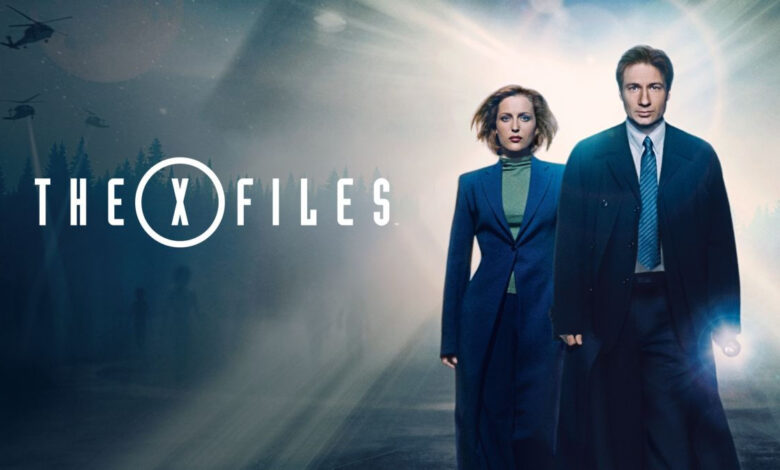
The X-Files Episode Guide
Some FBI assignments involve paperwork. This one involves liver-eating mutants, suspiciously organised bees, and government employees whose idea of transparency is smoking in a darkened room.
Across eleven seasons, The X-Files follows agents investigating cases that conventional explanations cannot comfortably contain. Fox Mulder believes the extraordinary deserves a hearing; Dana Scully insists it should also survive an examination. Their partnership makes even the strangest investigations feel worth taking seriously.
This guide covers every episode, combining spoiler-light story pointers with a little help identifying what makes each case distinctive. Expand a season to explore its investigations, conspiracy developments and occasional spectacularly unsuccessful attempts at having a normal working day.
Before You Press Play
- Watch in episode order. Standalone investigations regularly develop relationships or introduce details that matter later.
- The films fit between seasons. Watch The X-Files: Fight the Future after Season 5, and The X-Files: I Want to Believe after Season 9.
- Skully’s Picks highlight favourites, not a compulsory viewing shortlist. Unmarked episodes still contribute to the experience.
- Expect horror as well as science fiction. Individual episodes include disturbing violence, medical horror and sensitive subject matter.
- The guide keeps major outcomes under wraps, although later-season descriptions inevitably acknowledge changes introduced earlier.
- A numbering note: this guide counts the double-length Season 9 finale, “The Truth”, as two episodes. Some releases combine it into one listing.
Season 1 (1993-1994) – 24 Episodes
The foundations: two contrasting investigators, a basement office, and cases that make ordinary police work look positively restful. The mythology begins here, but the immediate pleasure is watching Mulder and Scully discover that disagreement does not have to prevent trust.
Episode 1: Pilot
Scully joins Mulder to investigate unexplained deaths among young people in Oregon. The mystery establishes the atmosphere, but their competing approaches provide the real reason to keep watching.
Episode 2: Deep Throat
A missing test pilot draws the agents towards secretive military research and a cryptic informant. This is an early lesson in how difficult proving something becomes when someone controls the evidence.
Episode 3: Squeeze
Skully’s Pick
A killer apparently enters rooms through impossibly small openings. Eugene Victor Tooms gives the series its first defining monster, turning an ordinary ventilation grille into something you would rather not sleep beneath.
Episode 4: Conduit
A teenager’s disappearance echoes Mulder’s unresolved family trauma. The investigation matters less as a straightforward puzzle than as an early demonstration of how painfully personal his search for answers can become.
Episode 5: The Jersey Devil
Reports of a wild human predator lead to Atlantic City and a local legend. An uneven creature feature, but a useful glimpse of the show testing its boundaries beyond alien encounters.
Episode 6: Shadows
An apparently protective force surrounds a woman grieving her employer. Corporate wrongdoing meets a ghost story, with the agents investigating a haunting that seems unusually interested in unfinished office business.
Episode 7: Ghost in the Machine
A suspicious death places an intelligent building-management system under scrutiny. The technology looks its age, but handing essential decisions to an unaccountable computer remains a comfortably durable source of anxiety.
Episode 8: Ice
Skully’s Pick
The agents investigate deaths at an isolated Arctic research station. Tight spaces and rising suspicion make this a superb pressure-cooker episode: identifying the danger is difficult when nobody trusts the person holding the sample.
Episode 9: Space
A troubled astronaut becomes central to an investigation into possible shuttle sabotage. The execution struggles with its cosmic ambitions, although the idea of bringing something terrifying home from space remains effective.
Episode 10: Fallen Angel
Mulder investigates a suspected UFO crash during a military containment operation. Fellow outsider Max Fenig helps give the familiar cover-up machinery a human dimension: somebody always lives beneath the official explanation.
Episode 11: Eve
Two apparently connected deaths introduce girls with an extraordinary resemblance. An unsettling investigation that makes excellent use of children who seem to know considerably more than the adults questioning them.
Episode 12: Fire
Mysterious fires threaten a visiting British dignitary, while someone from Mulder’s past complicates matters. Personal history provides additional heat in a case where neither professional distance nor fire safety comes easily.
Episode 13: Beyond the Sea
Skully’s Pick
A condemned prisoner claims psychic abilities while Scully is grieving her father. With the usual believer–sceptic balance unsettled, the episode finds exceptional drama in the difference between needing comfort and trusting its source.
Episode 14: Gender Bender
Unexplained deaths lead the agents to an isolated religious community. The rural atmosphere is stronger than some dated ideas about sexuality, making this an intriguing but distinctly uneven early experiment.
Episode 15: Lazarus
An injured FBI agent emerges from a shooting with disturbing changes in behaviour. Scully’s personal connection gives this identity mystery weight beyond the familiar question of whether appearances can be trusted.
Episode 16: Young at Heart
A criminal from Mulder’s past appears to return under impossible circumstances. Old mistakes sharpen the investigation, with the case pressing on his fear that experience does not necessarily prevent another failure.
Episode 17: E.B.E.
The search for an alleged extraterrestrial passenger becomes a test of information and trust. Evidence, informants and apparent allies all require careful handling; certainty is proving an exceptionally unreliable travelling companion.
Episode 18: Miracle Man
Deaths associated with a young faith healer attract the agents’ attention. The episode works through belief, performance and guilt, asking what happens when a community expects miracles from an ordinary person.
Episode 19: Shapes
A shooting near a Native American reservation suggests an encounter with something other than an animal. A conventional monster story whose atmosphere is more persuasive than its handling of Indigenous traditions.
Episode 20: Darkness Falls
Missing loggers lead the agents into a forest with a deadly nocturnal threat. Few episodes make such efficient horror from a basic practical problem: keeping the lights on until morning.
Episode 21: Tooms
Tooms returns to society, while Mulder faces increased scrutiny over his methods. The sequel strengthens its original monster by adding an institutional obstacle: knowing someone is dangerous does not automatically prove it.
Episode 22: Born Again
A young girl appears connected to a series of violent deaths. This supernatural revenge mystery is most interesting when the agents must separate an apparently innocent witness from the history surrounding her.
Episode 23: Roland
Deaths at a research laboratory draw attention to a cleaner with unexpected knowledge. Beneath the scientific mystery sits a pointed contrast between impressive qualifications and the ability to notice another person.
Episode 24: The Erlenmeyer Flask
A fugitive leads the agents towards biological evidence and a concealed research programme. The finale makes the conspiracy substantially more dangerous, reminding us that obtaining proof and surviving its discovery are separate problems.
Season 2 (1994-1995) – 25 Episodes
The partnership comes under sustained pressure as the conspiracy becomes more personal. Meanwhile, the standalone cases grow nastier and more confident, finding monsters in sewage systems, respectable communities and places supposedly dedicated to looking after vulnerable people.
Episode 1: Little Green Men
With the X-Files closed, Mulder follows a possible signal to Puerto Rico. Separating him from his usual work exposes something important: maintaining belief can be considerably harder than arguing for it.
Episode 2: The Host
A body discovered in a sewer leads to an exceptionally unpleasant organism. One of the show’s signature creature episodes, guaranteed to make routine plumbing problems feel slightly more threatening afterwards.
Episode 3: Blood
Apparently ordinary people commit violence after seeing disturbing electronic messages. Everyday screens become instruments of suspicion in an investigation that understands how easily fear can turn neighbours into potential enemies.
Episode 4: Sleepless
An impossible death uncovers the legacy of a military sleep experiment. Mulder’s new colleague adds another uncertainty to a case about people treated as equipment and then abandoned when the experiment ends.
Episode 5: Duane Barry
A former agent takes hostages while insisting that alien abductors are pursuing him. The immediate crisis makes listening essential, even when accepting the hostage-taker’s explanation would normally seem impossible.
Episode 6: Ascension
The pursuit of Duane Barry becomes an urgent effort to protect Scully. Suspicion moves closer to home as the conspiracy stops being something the agents investigate and starts determining their lives.
Episode 7: 3
Working alone, Mulder investigates murders associated with apparent vampires. Its seductive atmosphere offers a change of pace, although the episode’s distance from the central partnership makes it an awkward detour.
Episode 8: One Breath
Skully’s Pick
Scully lies in hospital while Mulder searches for those responsible. The most powerful material concerns presence rather than pursuit: sometimes staying beside someone requires more courage than chasing a person to blame.
Episode 9: Firewalker
Deaths at a volcanic research project suggest a dangerous biological discovery. Familiar isolation-horror ingredients remain effective when curiosity, professional pride and infection make a scientific expedition increasingly difficult to contain.
Episode 10: Red Museum
Strange attacks on teenagers direct suspicion towards an unconventional religious community. The episode becomes more interesting when local prejudice proves a poor substitute for understanding what is actually happening.
Episode 11: Excelsis Dei
An assault allegation at a nursing home introduces a possible supernatural presence. Institutional neglect gives the story troubling foundations, although its treatment of the central accusation is less assured than its atmosphere.
Episode 12: Aubrey
A detective experiences visions connected to a decades-old murder investigation. Buried history intrudes on present-day police work, producing a case where inherited connections are considerably more unsettling than family resemblance.
Episode 13: Irresistible
The agents pursue Donnie Pfaster, whose crimes reveal an appalling fascination with death. The horror is devastatingly human, and Scully’s response prevents the investigation from becoming merely a catalogue of unpleasant behaviour.
Episode 14: Die Hand Die Verletzt
A teenager’s death exposes occult activity beneath a school community’s respectable surface. Dark humour and genuine nastiness combine beautifully; the adults are not nearly as reassuring as their job titles suggest.
Episode 15: Fresh Bones
A death at a Haitian refugee camp raises questions about abuse and supernatural retaliation. The strongest element is the imbalance of power between people seeking protection and those controlling their circumstances.
Episode 16: Colony
The deaths of apparently identical men introduce a formidable pursuer. Identity becomes dangerously unstable as the mythology expands, and Mulder’s longing for family answers creates opportunities for others to manipulate him.
Episode 17: End Game
A hostage crisis and a relentless pursuit continue the previous episode’s revelations. Family loyalty collides with the need for evidence, making emotional certainty as hazardous as anything encountered during the investigation.
Episode 18: Fearful Symmetry
Impossible incidents involving zoo animals suggest an extraordinary outside influence. Its unusual premise is most affecting when the spectacle gives way to questions about captivity, responsibility and creatures unable to explain themselves.
Episode 19: Død Kalm
The agents board a vessel whose crew have aged unnaturally quickly. The decaying ship provides an excellent setting for a survival mystery in which time itself appears to be running out.
Episode 20: Humbug
Skully’s Pick
A murder investigation takes the agents into a community of sideshow performers. Funny, macabre and surprisingly humane, it finds the real oddity in outsiders arriving convinced they already understand who the strange people are.
Episode 21: The Calusari
A family tragedy leads to unsettling behaviour and protective religious rituals. The episode leans firmly into possession horror, making domestic grief feel vulnerable to something considerably worse than misunderstanding.
Episode 22: F. Emasculata
A prison outbreak becomes a wider emergency when infected inmates escape. The tension comes from competing priorities: containing danger, protecting reputations and telling people enough truth to keep them alive.
Episode 23: Soft Light
Mysterious disappearances surround a scientist terrified of his own shadow. A wonderfully simple visual idea gives the episode its power, turning an unavoidable feature of everyday life into an impossible hazard.
Episode 24: Our Town
A missing inspector leads to a community closely tied to its poultry business. Civic pride becomes increasingly sinister in a case that gives wholesome local industry an exceptionally unwholesome aftertaste.
Episode 25: Anasazi
Skully’s Pick
Stolen government files reach Mulder as his behaviour becomes increasingly erratic. The finale combines family history, compromised evidence and mounting danger into a cliffhanger that makes stopping at one more episode rather optimistic.
Season 3 (1995-1996) – 24 Episodes
The series becomes remarkably comfortable changing tone without losing its identity. Conspiracy thrillers sit beside intimate tragedies and wonderfully strange comedies, while Mulder and Scully’s relationship supplies the continuity that makes those shifts feel natural.
Episode 1: The Blessing Way
The aftermath of “Anasazi” leaves Scully exposed and crucial evidence under threat. This unusually reflective continuation allows grief, uncertainty and spiritual experience to interrupt the machinery of the conspiracy thriller.
Episode 2: Paper Clip
A photograph and a concealed archive open disturbing chapters of the conspiracy’s history. The revelations matter because they connect vast programmes to individual families, making institutional cruelty feel specific rather than abstract.
Episode 3: D.P.O.
Lightning-related deaths point towards a troubled young man with extraordinary abilities. The uncomfortable idea here is not unlimited power, but unlimited power attached to petty resentment and very little emotional maturity.
Episode 4: Clyde Bruckman’s Final Repose
Skully’s Pick
A man who foresees people’s deaths assists a murder investigation. Peter Boyle helps turn an ingenious premise into something funny, melancholy and deeply compassionate: knowing the ending does not make living through the middle easy.
Episode 5: The List
An executed prisoner’s promised revenge appears to reach beyond his death. The prison setting supplies a closed system of fear and guilt, where almost everyone has reasons to distrust someone else.
Episode 6: 2Shy
A killer uses online relationships to approach women. The technology belongs to an earlier internet, but the exploitation of loneliness and the promise of being understood remain thoroughly recognisable.
Episode 7: The Walk
Violence at a military hospital suggests an attacker unconstrained by an ordinary body. Wartime damage becomes supernatural vengeance, although the underlying anger is rooted in experiences no paranormal explanation can tidy away.
Episode 8: Oubliette
An abducted girl appears psychically connected to a woman with a similar past. The episode’s emotional force comes from taking a damaged survivor seriously when others find it easier to dismiss her.
Episode 9: Nisei
An apparent alien-autopsy recording draws Mulder towards a secretive railway operation. Scully’s parallel investigation adds personal unease, beginning a two-part story where apparently different mysteries may share an appalling explanation.
Episode 10: 731
Mulder faces danger aboard a train while Scully investigates concealed experimentation. The conflicting explanations are less reassuring than they initially appear: removing aliens from a theory does not necessarily remove its horror.
Episode 11: Revelations
A child displaying apparent stigmata becomes a target. Scully’s faith shifts the usual investigative balance, creating an effective distinction between demanding evidence from someone else and recognising a belief of your own.
Episode 12: War of the Coprophages
Deaths linked to cockroaches trigger escalating panic in a small town. Mulder investigates while Scully supplies remote scepticism, and the gap between their perspectives produces some exceptionally enjoyable comic timing.
Episode 13: Syzygy
Two teenage friends become central to bizarre violence and collective hysteria. Cosmic explanations meet familiar adolescent cruelty, while the agents’ unusually abrasive relationship adds another layer of deliberately uncomfortable comedy.
Episode 14: Grotesque
A killer’s claims of possession draw Mulder into an increasingly obsessive investigation. The episode makes profiling feel dangerous when understanding another person’s darkness starts to resemble inviting it inside.
Episode 15: Piper Maru
A salvage operation produces mysterious illness and a connection to a wartime wreck. Secrets surface in more than a figurative sense as the alien mythology acquires an especially unsettling new element.
Episode 16: Apocrypha
The investigation widens around a concealed threat and competing attempts to control it. Personal loyalties provide the clearest bearings in a story where almost every organisation is managing a different version of events.
Episode 17: Pusher
Skully’s Pick
Robert Modell appears able to make people obey spoken instructions. The premise turns an ordinary conversation into a potential attack, building towards a confrontation where trust between the agents matters more than physical advantage.
Episode 18: Teso Dos Bichos
Deaths follow the removal of an archaeological artefact. The museum mystery begins promisingly, but the eventual menace is less convincing; an example of atmosphere carrying material further than its payoff deserves.
Episode 19: Hell Money
Deaths in an immigrant community reveal a disturbing pattern of missing organs. A grim investigation into exploitation, where financial desperation provides a more effective trap than anything supernatural could construct.
Episode 20: Jose Chung’s From Outer Space
Skully’s Pick
A writer investigates an alleged abduction through wildly contradictory accounts. The episode keeps rearranging what we think happened, finding absurd comedy and genuine sadness in people trying to turn confusing experiences into coherent stories.
Episode 21: Avatar
Skinner becomes a murder suspect while experiencing disturbing visitations. Moving the assistant director into the centre of the mystery reveals a vulnerable person behind the usual desk, authority and carefully controlled expression.
Episode 22: Quagmire
Deaths around a lake encourage Mulder to pursue a legendary creature. The monster hunt provides the framework, but the agents’ conversations make this much more than another search for something with teeth.
Episode 23: Wetwired
A series of violent incidents points towards manipulation through television. The familiar conspiracy machinery becomes especially effective when it threatens the partnership’s foundation: trusting what the other person sees and says.
Episode 24: Talitha Cumi
A mysterious healer attracts attention from people with competing agendas. The finale makes compassion itself politically dangerous, suggesting that an extraordinary ability can become a resource powerful organisations refuse to leave alone.
Season 4 (1995-1997) – 24 Episodes
A darker, more emotionally demanding season gives the conspiracy consequences that cannot be left in a case file. The standalone stories remain adventurous, but grief, bodily vulnerability and the unreliability of memory increasingly shape the investigations.
Episode 1: Herrenvolk
The search for the mysterious healer exposes further layers of a concealed operation. Familiar faces and family connections offer little reassurance when the agents cannot safely assume that appearances establish identity.
Episode 2: Home
A dead infant leads the agents to an isolated family and a deeply disturbing secret. Rural nostalgia becomes outright horror in one of the series’ most confrontational episodes.
Content warning: graphic violence, infant death and incest.
Episode 3: Teliko
Unexplained deaths involving loss of pigmentation suggest an unusual predator. The physical mystery has unsettling possibilities, although the episode’s treatment of African identity and folklore makes parts of it uncomfortable viewing today.
Episode 4: Unruhe
Skully’s Pick
Distorted photographs offer clues to a series of abductions. An excellent psychological horror story that uses supernatural imagery to approach a recognisably human danger: someone convinced that inflicting harm is an act of help.
Episode 5: The Field Where I Died
A cult investigation raises the possibility of connections extending across previous lives. More lyrical than procedural, the episode depends on whether its emotional intensity persuades you to follow it beyond ordinary evidence.
Episode 6: Sanguinarium
Violent incidents disrupt an exclusive cosmetic-surgery practice. Vanity and bodily control provide fertile horror material, although the episode is considerably more interested in disturbing images than subtle criticism of the beauty business.
Episode 7: Musings of a Cigarette Smoking Man
An account of the Smoking Man’s past connects him to extraordinary historical events. Treat the storytelling with caution: its blend of conspiracy and frustrated ambition is more interesting than a straightforward biography.
Episode 8: Tunguska
Dangerous cargo sends Mulder and Krycek towards a secretive Russian operation. Espionage gives the mythology a harsher physical edge, replacing distant hints with an investigation that becomes very difficult to escape.
Episode 9: Terma
The Russian investigation continues as official scrutiny encounters carefully managed information. International rivalry does not make the truth easier to obtain; it simply creates more institutions with reasons to conceal it.
Episode 10: Paper Hearts
Skully’s Pick
A convicted killer makes claims that challenge Mulder’s understanding of his sister’s disappearance. The episode is devastating because the manipulation is so precise: offer a grieving person an answer, then control access to it.
Episode 11: El Mundo Gira
A strange death in a migrant community becomes entangled with stories of the chupacabra. The mixture is uneven, but its interest in rumour and ignored lives gives the investigation a distinctive perspective.
Episode 12: Leonard Betts
A missing body leads to a paramedic with apparently impossible physical capabilities. What begins as an inventive monster investigation gradually acquires a more personal edge, making the strange biology harder to dismiss.
Episode 13: Never Again
Scully’s independent investigation brings her into contact with a man and his disturbing tattoo. The real friction concerns autonomy: being an indispensable partner is not the same as having a satisfying life.
Episode 14: Memento Mori
Skully’s Pick
Scully confronts a serious illness while Mulder searches for an explanation linked to her abduction. Quiet performances give the conspiracy its emotional weight, showing how fear changes ordinary conversations long before anyone finds an answer.
Episode 15: Kaddish
Violence following an antisemitic murder suggests a connection to the legend of the golem. The strongest material concerns grief and attachment, grounding the supernatural mystery in a community already confronting human hatred.
Episode 16: Unrequited
Military officers face an attacker who seems able to vanish from sight. A revenge thriller built around abandonment, with official narratives of service and honour sitting uneasily beside the treatment of individuals.
Episode 17: Tempus Fugit
A plane crash involving Max Fenig draws the agents into conflicting accounts of disaster. The investigation gains urgency from its victims, ensuring that the evidence never feels entirely separate from human loss.
Episode 18: Max
The crash investigation uncovers dangerous cargo and a determined effort to conceal it. The second half keeps returning to the same imbalance: powerful people protect secrets while other people absorb the consequences.
Episode 19: Synchrony
A murder investigation introduces apparently impossible knowledge of future events. The time-travel puzzle is most compelling when prediction becomes a practical problem rather than merely an impressive thing somebody can demonstrate.
Episode 20: Small Potatoes
Unusual births lead to a suspect with an extraordinary talent for impersonation. The comedy is memorable, although the underlying violations of identity and consent give the premise a darker side than its tone suggests.
Episode 21: Zero Sum
Skinner becomes involved in concealing evidence connected to a suspicious death. Placing him inside the compromise makes the conspiracy tangible: good intentions offer very little protection once someone else controls the bargain.
Episode 22: Elegy
Apparitions associated with murdered women lead the agents towards a bowling alley. The ghost story gains resonance through Scully’s vulnerability, turning the investigation into another uncomfortable encounter with mortality.
Episode 23: Demons
Mulder awakens with missing memories and disturbing physical evidence. This psychological mystery presses on an essential weakness in his search: remembering something vividly does not automatically establish that it happened that way.
Episode 24: Gethsemane
An alleged extraterrestrial discovery is challenged by an extraordinary claim of deception. The finale attacks the foundation of Mulder’s beliefs, making the interpretation of evidence as dangerous as obtaining it.
Season 5 (1997-1998) – 20 Episodes
A compact season with considerable range: major conspiracy developments, inventive comedy and emotionally difficult cases for Scully. It also experiments with the programme’s history and storytelling style before setting the stage for the first feature film.
Episode 1: Redux
The aftermath of “Gethsemane” divides the agents between an official inquiry and a concealed investigation. Every explanation arrives with an agenda, making certainty feel less like an achievement than a possible trap.
Episode 2: Redux II
Scully’s condition worsens as Mulder receives an offer from a dangerous source. The mythology becomes a question of desperate choices: what can be accepted when the person offering help cannot be trusted?
Episode 3: Unusual Suspects
A case from 1989 reveals how the Lone Gunmen first came together. Their origin story turns suspicion into an unlikely social bond, demonstrating that shared paranoia can occasionally produce an excellent friendship.
Episode 4: Detour
Skully’s Pick
A journey to an FBI event becomes a hunt for a camouflaged forest predator. The creature supplies the danger, but the agents’ easy companionship gives this wonderfully economical survival story its lasting appeal.
Episode 5: The Post-Modern Prometheus
A small-town investigation unfolds as a black-and-white monster movie. Visually distinctive and deliberately theatrical, it deserves attention, although its treatment of reproductive violations makes the attempted warmth much harder to accept uncritically.
Episode 6: Christmas Carol
A mysterious telephone call interrupts Scully’s family Christmas and leads to a young girl. The investigation immediately feels personal, giving the holiday setting a melancholy weight rather than conventional festive comfort.
Episode 7: Emily
Scully seeks answers about the girl’s origins while her health deteriorates. The emotional conflict centres on responsibility without control: recognising someone’s vulnerability does not mean the surrounding system will let you protect them.
Episode 8: Kitsunegari
Robert Modell’s escape reopens the threat introduced in “Pusher”. Returning to the original case’s psychological territory, the sequel makes understanding who is influencing events more important than simply locating the familiar suspect.
Episode 9: Schizogeny
A death in an orchard exposes troubling relationships between teenagers and adults. Family damage and folk-horror imagery combine in an uneven investigation where apparent attempts to help may carry destructive assumptions.
Episode 10: Chinga
Scully’s holiday in Maine is interrupted by incidents involving a disturbing doll. An agreeably unpleasant haunted-toy story that also confirms an important workplace rule: these agents should never expect uninterrupted annual leave.
Episode 11: Kill Switch
A computer researcher’s death leads towards a sophisticated artificial intelligence. Cyberpunk ideas give the investigation a different texture, particularly when questions of survival extend beyond whether a physical body remains alive.
Episode 12: Bad Blood
Skully’s Pick
A suspected vampire case is reconstructed through Mulder and Scully’s conflicting accounts. The mystery is entertaining, but the real delight lies in how each agent remembers the other’s behaviour—and improves their own performance.
Episode 13: Patient X
A series of burnings introduces an abductee whose experiences challenge Mulder’s changing beliefs. The familiar partnership dynamic becomes less stable when the person usually defending extraordinary explanations starts questioning the entire framework.
Episode 14: The Red and the Black
Scully seeks answers about missing memories as competing forces emerge around the abduction mystery. The expanding mythology is most effective when it unsettles assumptions about who understands events and who merely claims to.
Episode 15: Travelers
A historical investigation introduces an early case associated with the X-Files. Cold War secrecy supplies the atmosphere, showing how institutional habits can survive long after the particular fears used to justify them.
Episode 16: Mind’s Eye
A blind woman appears connected to murders she should not be able to witness. Her resistance to being patronised gives the case personality, making her far more than an unusual investigative device.
Episode 17: All Souls
Deaths involving disabled girls lead Scully towards an explicitly religious interpretation. The investigation works best as an extension of her grief and faith, rather than as a puzzle everyone must read identically.
Episode 18: The Pine Bluff Variant
Mulder’s apparent involvement with a terrorist group alarms Scully. Undercover work provides the suspense, exploiting the thin distinction between maintaining a convincing role and becoming impossible for an ally to read.
Episode 19: Folie à Deux
Skully’s Pick
An employee insists that his boss is literally a monster. Workplace misery becomes an excellent horror premise, particularly when recognising the threat risks making the person describing it appear dangerously detached from reality.
Episode 20: The End
An assassination attempt involving a young chess prodigy draws competing interests towards unusual evidence. The finale gathers personal and institutional tensions around a familiar problem: discoveries become vulnerable as soon as they matter.
Season 6 (1998-1999) – 22 Episodes
Before this season: watch The X-Files: Fight the Future (1998). Its conspiracy story sits between the Season 5 finale and the Season 6 premiere.
This is an especially playful season, full of altered identities, time loops and reality-bending investigations. The change in emphasis produces some outstanding standalone episodes without entirely leaving the larger conspiracy behind.
Episode 1: The Beginning
A dangerous creature offers possible evidence while the agents face professional exclusion. Following the film, the season opens with a familiar frustration: possessing experience does not guarantee permission to investigate.
Episode 2: Drive
Mulder is forced into a moving-car crisis involving a desperately ill man. A lean thriller whose physical urgency never overwhelms its human tension; understanding the threat depends on understanding the passenger.
Episode 3: Triangle
Skully’s Pick
Mulder boards a ship apparently displaced into 1939. Elaborate staging and familiar faces in unfamiliar roles create a wonderfully disorienting adventure, making this one of the series’ most confident departures from routine procedure.
Episode 4: Dreamland
An encounter near Area 51 leaves Mulder facing an extraordinary identity problem. The cosmic premise becomes domestic comedy, finding plenty of trouble in the difference between inhabiting someone’s body and managing their life.
Episode 5: Dreamland II
Attempts to reverse the identity switch encounter practical and personal complications. The second half makes recognition the central issue: how much of knowing a person depends on their face being the correct one?
Episode 6: How the Ghosts Stole Christmas
A Christmas Eve visit introduces the agents to a particularly argumentative pair of ghosts. The haunted-house framework supports a sharp comedy about loneliness, companionship and the stories people tell themselves about both.
Episode 7: Terms of Endearment
A disturbing pregnancy case points towards something demonic inside an apparently ordinary household. Domestic expectations provide the episode’s most interesting misdirection, especially when assumptions about innocence and evil become too convenient.
Episode 8: The Rain King
A man selling rainmaking services becomes part of a stranger weather mystery. An unusually gentle romantic comedy, where emotional repression causes rather more disruption than an awkward conversation would have done.
Episode 9: S.R. 819
Skinner develops a rapidly worsening condition that appears deliberately inflicted. A countdown structure gives the investigation urgency, while the underlying threat concerns how easily bodily vulnerability can become political leverage.
Episode 10: Tithonus
A photographer’s presence at scenes of death attracts Scully’s attention. The episode approaches immortality without much envy, finding its horror in endurance, detachment and the possibility that survival can outlast its purpose.
Episode 11: Two Fathers
Cassandra Spender’s return threatens carefully maintained arrangements within the conspiracy. Long-running secrets become harder to contain as the people managing events confront consequences they cannot simply file away.
Episode 12: One Son
The conspiracy’s competing participants approach decisions with enormous consequences. This mythology chapter offers substantial movement, but its strongest material concerns the gap between professed loyalties and choices made under pressure.
Episode 13: Agua Mala
A hurricane traps the agents with an aquatic threat and some difficult neighbours. The confined setting works nicely, particularly when cooperation proves almost as troublesome as identifying the thing in the water.
Episode 14: Monday
Skully’s Pick
A disastrous bank robbery appears to repeat the same day. The time-loop construction is clever, but the episode becomes special through its sympathy for the person forced to keep experiencing everybody else’s mistakes.
Episode 15: Arcadia
Mulder and Scully pose as a married couple inside a tightly regulated community. Their undercover bickering is delightful, while the horror gives compulsory neighbourhood conformity a punishment more serious than a stern letter.
Episode 16: Alpha
Killings linked to an imported animal involve a reclusive canine expert. The creature investigation is conventional, but the episode finds some additional interest in loneliness and the uncertain possibilities of connection.
Episode 17: Trevor
An escaped prisoner seems able to pass through solid objects. Removing ordinary physical barriers creates an effective pursuit story, forcing the agents to think beyond doors, walls and the reassuring idea of containment.
Episode 18: Milagro
A writer’s disturbing work appears connected to murders and his fascination with Scully. The episode makes authorship unsettling by treating observation as a possible form of possession rather than automatic insight.
Episode 19: The Unnatural
A historical baseball story introduces an extraordinary player with a closely guarded secret. Warm, reflective and unusually generous, the episode uses its fantastical premise to explore belonging without losing sight of prejudice.
Episode 20: Three of a Kind
The Lone Gunmen encounter a familiar figure while investigating a convention in Las Vegas. A comic conspiracy diversion that gives supporting characters room to demonstrate both their ingenuity and their considerable capacity for trouble.
Episode 21: Field Trip
Skully’s Pick
An investigation into discovered remains becomes increasingly difficult to separate from altered perception. One of the strongest partnership episodes, because the agents’ different habits of thought become essential tools for recognising an unreliable reality.
Episode 22: Biogenesis
An enigmatic artefact coincides with disturbing changes in Mulder’s mental state. The finale pushes the mythology towards enormous questions of origin and belief, then leaves its central discoveries deliberately unresolved.
Season 7 (1999-2000) – 22 Episodes
An experimental, sometimes uneven season that can feel like the series examining its own habits. Familiar histories return, comedy becomes increasingly self-aware, and several investigations explore what happens when people desperately want reality to tell a kinder story.
Episode 1: The Sixth Extinction
Scully investigates the artefact’s origins while Mulder’s condition attracts dangerous attention. Continuing the previous finale, the episode places scientific discovery and personal vulnerability inside the same increasingly ambitious mystery.
Episode 2: The Sixth Extinction II: Amor Fati
Mulder confronts the possibility of a radically different life as Scully seeks answers. The most compelling temptation is not extraordinary power, but the prospect of stepping away from an exhausting search.
Episode 3: Hungry
Skully’s Pick
A fast-food worker struggles with an appetite that makes ordinary employment rather difficult. Shifting the viewpoint transforms the investigators into frightening outsiders and gives the monster something more interesting than a convenient hiding place.
Episode 4: Millennium
Frank Black assists an investigation involving a disturbing approach to the approaching millennium. Familiarity with his separate series adds context, but the case works without turning your viewing order into another major assignment.
Episode 5: Rush
Teenagers appear connected to incidents requiring impossible speed. The supernatural advantage brings very little wisdom, making this another effective reminder that escaping physical limits does not automatically resolve ordinary emotional problems.
Episode 6: The Goldberg Variation
A remarkably fortunate man becomes the centre of an increasingly complicated investigation. The charm comes from treating luck as a moral complication rather than simply the universe handing somebody better parking spaces.
Episode 7: Orison
Donnie Pfaster’s escape forces Scully to confront a profoundly disturbing earlier case. A dark continuation of “Irresistible”, interested in how trauma returns without politely respecting the boundaries of a completed investigation.
Episode 8: The Amazing Maleeni
A magician’s death draws the agents into an elaborate exercise in deception. Sleight of hand becomes the governing principle, rewarding attention to where the investigation is being encouraged to look.
Episode 9: Signs and Wonders
Deaths involving snakes lead to tensions within a religious community. The episode’s strongest idea is the difference between conspicuous displays of belief and behaviour that actually deserves to be called good.
Episode 10: Sein und Zeit
A child’s disappearance reawakens Mulder’s unresolved feelings about Samantha. The investigation begins a two-part return to the emotional foundation of his work, where professional persistence and private grief become difficult to separate.
Episode 11: Closure
Mulder’s search for answers about his sister reaches a deeply personal turning point. The approach is more emotional than forensic, so its impact depends partly on what kind of resolution you need.
Episode 12: X-Cops
Skully’s Pick
A television crew follows police into an investigation that attracts Mulder and Scully. The documentary format makes uncertainty unusually immediate, while Scully’s discomfort with being filmed supplies an excellent comic counterweight.
Episode 13: First Person Shooter
A death inside a virtual-reality game requires the agents’ intervention. The digital spectacle has aged unevenly, and the episode’s ideas about gaming and gender are less convincing than its technological enthusiasm.
Episode 14: Theef
A doctor’s family experiences events suggesting a targeted supernatural attack. Medical authority and personal resentment collide in a grim revenge story, where professional confidence cannot settle every argument about responsibility.
Episode 15: En Ami
The Smoking Man approaches Scully with an apparent opportunity to obtain an extraordinary medical discovery. The journey is built around calculated persuasion: offering something genuinely desirable can make manipulation much harder to reject.
Episode 16: Chimera
A disappearance reveals troubling fractures in a seemingly respectable suburban household. Domestic appearances prove unreliable in a gothic investigation where maintaining the perfect surface may be part of the problem.
Episode 17: all things
An encounter with someone from Scully’s past prompts reflection on choices and coincidence. A quiet, character-led departure, more concerned with how a life feels from within than how a case looks on paper.
Episode 18: Brand X
A tobacco-company investigation uncovers a particularly unpleasant biological danger. Corporate secrecy and body horror make natural partners here, with reassuring public language doing little to improve what is happening inside people.
Episode 19: Hollywood A.D.
A case involving the agents becomes material for a Hollywood production. The comedy comes from watching their experiences turned into entertainment, where accuracy quickly loses ground to whatever makes a more marketable story.
Episode 20: Fight Club
Lookalike women appear to trigger chaos whenever their paths converge. A broad, noisy experiment in supernatural slapstick whose repeated escalations are more likely to divide viewers than win universal affection.
Episode 21: Je Souhaite
Skully’s Pick
An encounter with a genie demonstrates the practical hazards of making wishes. The comedy is excellent, but the underlying idea is sharper: obtaining exactly what you requested is no protection against wanting the wrong thing.
Episode 22: Requiem
The agents return to Oregon and the territory of their first investigation together. Familiar locations acquire new significance as the season circles back to its beginnings while preparing a substantial change in direction.
Season 8 (2000-2001) – 21 Episodes
John Doggett enters a series suddenly forced to reconsider its central dynamic. His scepticism is practical rather than dismissive, while Scully finds herself defending possibilities she once challenged. The change also produces several excellent returns to concentrated horror.
Episode 1: Within
Doggett leads the search for the missing Mulder as Scully questions the investigation’s direction. Introducing a new central agent through mistrust gives the season an immediate challenge beyond simply finding answers.
Episode 2: Without
The search reaches a school where appearances offer dangerously limited reassurance. Doggett’s procedural instincts encounter problems they cannot comfortably explain, while Scully must balance cooperation against the fear of another deception.
Episode 3: Patience
A series of attacks suggests an unusual winged predator. The case gives the new partnership room to develop, with disagreement feeling less like an established ritual and more like genuinely unfamiliar working territory.
Episode 4: Roadrunners
Skully’s Pick
Scully becomes stranded among people with disturbing expectations of her. An exceptionally effective isolation story, using apparent hospitality and restricted escape routes to turn a small community into a nightmare of violated autonomy.
Episode 5: Invocation
A missing boy returns after ten years without apparently having aged. The premise resists an uncomplicated happy reunion, asking what families recognise when the person they mourned comes back fundamentally unreadable.
Episode 6: Redrum
Skully’s Pick
A man accused of murder experiences his recent life in reverse. The structure is ingenious, but the emotional argument matters more: acquiring another chance means little unless you are prepared to confront your own choices.
Episode 7: Via Negativa
Skully’s Pick
Deaths linked to a cult leave Doggett uncertain whether waking offers safety. The nightmare logic makes particularly good use of his grounded personality, removing the reliable boundary between investigating danger and imagining it.
Episode 8: Surekill
An apparently impossible shooting points towards a small extermination business. The extraordinary ability sits inside a recognisably ugly network of jealousy and control, keeping the threat local, personal and unpleasant.
Episode 9: Salvage
A man’s body appears to change following industrial exposure. Transformation horror becomes a story about damage that cannot be left at the factory gate, regardless of how employers prefer to describe it.
Episode 10: Badlaa
Unexplained deaths lead towards a travelling mystic with disturbing abilities. Scully’s struggle to imagine Mulder’s reasoning is worthwhile, although the episode relies heavily on crude fears about foreignness and bodily difference.
Episode 11: The Gift
Doggett follows evidence of an investigation Mulder kept private. The apparent creature story gradually invites a more compassionate reading, challenging the assumption that identifying a monster tells you who needs stopping.
Episode 12: Medusa
Doggett enters a dangerous subway system while Scully directs the investigation above ground. A solid procedural thriller, sharpened by the conflict between public safety and the pressure to restore normal operations.
Episode 13: Per Manum
An unusual pregnancy case raises disturbing questions about medical intervention. The investigation’s force comes from the vulnerability of patients who cannot know whether the people treating them are respecting their interests.
Episode 14: This Is Not Happening
The discovery of an abductee brings Monica Reyes into the search for Mulder. Hope becomes difficult to separate from dread when every possible lead may also reveal something nobody wants confirmed.
Episode 15: Deadalive
Unexpected developments in an abductee’s condition complicate assumptions about life and death. The emotional stakes make uncertain medical possibilities especially potent, while offers of help arrive with familiar and dangerous conditions.
Episode 16: Three Words
Mulder pursues a warning connected to a death at the White House. Returning to an investigation proves easier than returning to an unchanged workplace, giving the conspiracy thriller an additional layer of displacement.
Episode 17: Empedocles
A case investigated by Reyes connects with Doggett’s family history. The episode is most valuable for revealing the grief beneath his professional restraint, rather than treating scepticism as his only defining characteristic.
Episode 18: Vienen
Mulder and Doggett investigate deaths aboard an oil rig. The isolated setting and returning threat make cooperation essential, allowing the two agents to build respect through practical decisions rather than declarations.
Episode 19: Alone
Doggett works with an enthusiastic new agent on a dangerous creature investigation. Her familiarity with earlier cases offers an affectionate audience perspective, while experience proves rather less comfortable outside the written reports.
Episode 20: Essence
Threats around Scully’s pregnancy bring several ongoing strands together. The first half of the finale turns preparation into siege-like anxiety, with apparently ordinary arrangements becoming difficult to trust.
Episode 21: Existence
The effort to protect Scully intensifies as loyalties inside the FBI become uncertain. Amid the mythology’s competing agendas, the episode keeps returning to the more immediate question of whom the characters will protect.
Season 9 (2001-2002) – 20 Episodes
Doggett and Reyes take the investigative lead while Scully remains deeply entangled in the larger story. The mythology grows increasingly complicated, but several standalone cases demonstrate how effectively the newer partnership can carry intimate, unsettling mysteries.
Episode 1: Nothing Important Happened Today
Strange deaths introduce a woman connected to Doggett’s past. The season begins with new investigative relationships but familiar institutional resistance, suggesting that changes in personnel have not improved the bureau’s appetite for awkward questions.
Episode 2: Nothing Important Happened Today II
The investigation reaches a concealed research operation with implications for Scully’s child. Following the official chain of command offers little reassurance when the institutions involved may be protecting the danger themselves.
Episode 3: Daemonicus
Ritualistic murders draw the agents towards a manipulative psychiatric patient. The episode’s most effective uncertainty concerns whether understanding someone’s methods is enough to protect you from the influence they want to exert.
Episode 4: 4-D
An attack on Doggett leaves Reyes confronting apparently incompatible evidence. The reality-bending premise works because the partnership already matters, giving an abstract mystery consequences that are immediate and painfully personal.
Episode 5: Lord of the Flies
A teenager’s bizarre death leads to an investigation involving insects and social humiliation. Adolescent alienation supplies the emotional foundation, although the episode’s mixture of sympathy and grotesque comedy is deliberately uncomfortable.
Episode 6: Trust No 1
A possible contact with Mulder exposes the extent of surveillance around Scully. The conspiracy becomes invasive in a particularly intimate way, turning private moments into information somebody else can use.
Episode 7: John Doe
Skully’s Pick
Doggett finds himself in Mexico without a reliable memory of his identity. Robert Patrick carries an excellent stripped-back thriller, showing how much of a person survives when their name, history and professional authority disappear.
Episode 8: Hellbound
A series of skinning deaths feels disturbingly familiar to Reyes. The mystery uses repetition as a source of horror, suggesting that recognising a pattern and escaping it may be very different achievements.
Episode 9: Provenance
An artefact reopens questions that place William at the centre of dangerous interests. The mythology’s grand theories become threatening through their practical effect on a parent trying to keep a child safe.
Episode 10: Providence
Scully’s search for William brings her into conflict with people claiming extraordinary knowledge. The strongest thread is her refusal to let someone else’s supposed destiny outweigh an immediate responsibility to protect him.
Episode 11: Audrey Pauley
Skully’s Pick
Reyes becomes trapped in a disturbing version of the hospital treating her. A moving, eerie episode that places unusual importance on an overlooked helper, making compassion more consequential than professional status or apparent authority.
Episode 12: Underneath
New evidence challenges a conviction from Doggett’s earlier police work. The case tests the difference between remembering an event clearly and being willing to reconsider what that memory actually proves.
Episode 13: Improbable
A serial-murder investigation intersects with numerology and an unusually knowing stranger. An eccentric comic experiment that treats patterns as both an investigative temptation and a possible invitation to see life differently.
Episode 14: Scary Monsters
Leyla Harrison seeks help over disturbing events surrounding a child and his family. Familiar horror assumptions become unreliable, particularly when the investigators must decide whether imagination is describing danger or helping create it.
Episode 15: Jump the Shark
The Lone Gunmen investigate a bioterror threat involving a familiar associate. This episode also continues their spin-off story, giving their particular mixture of suspicion, idealism and improvisation a more serious assignment.
Episode 16: William
A scarred stranger enters the investigation and raises difficult questions of identity. The emotional stakes centre on trust around Scully’s child, where even potentially useful evidence can become another source of fear.
Episode 17: Release
Skully’s Pick
An unusually perceptive trainee offers insight into the case surrounding Doggett’s son. The restraint of Doggett’s grief gives the investigation its force, making this one of the strongest arguments for the later seasons’ character work.
Episode 18: Sunshine Days
An impossible house draws the agents towards a lonely man with extraordinary abilities. Beneath the playful television references is a sympathetic story about retreating into comforting fiction when ordinary connection feels unattainable.
Episode 19: The Truth — Part 1
Mulder faces a military trial that brings the conspiracy’s history under scrutiny. The courtroom framework gathers years of claims and evidence, while raising an obvious problem: a hearing is not necessarily a fair hearing.
Episode 20: The Truth — Part 2
The search for answers moves beyond the trial towards another confrontation with concealed power. The original run reaches its endpoint with the central partnership intact as an emotional anchor, rather than every mystery neatly resolved.
Season 10 (2016) – 6 Episodes
Before this season: watch The X-Files: I Want to Believe (2008). Set after Season 9, it is primarily a standalone thriller, with additional context for Mulder and Scully’s relationship rather than a major alien-conspiracy chapter.
The revival returns the familiar partnership to a changed world. Six episodes leave little breathing space, but the strongest material recognises that the agents’ personalities remain more interesting than simply making the conspiracy bigger.
Episode 1: My Struggle
A media personality introduces claims that challenge Mulder’s understanding of the conspiracy. The revival’s busy opening relocates familiar suspicions into a noisier information environment, where reaching an audience is not the same as establishing truth.
Episode 2: Founder’s Mutation
A scientist’s death leads the agents towards children affected by unusual experimentation. The case is strongest when it focuses on families and responsibility, rather than treating extraordinary abilities as interesting biological curiosities.
Episode 3: Mulder and Scully Meet the Were-Monster
Skully’s Pick
An apparent creature investigation brings Mulder into contact with the remarkable Guy Mann. Affectionate, absurd and unexpectedly thoughtful, the episode refreshes familiar monster-story assumptions while giving Mulder’s ageing sense of wonder a very welcome workout.
Episode 4: Home Again
A brutal death linked to displaced homeless people coincides with a family crisis for Scully. Responsibility connects the two stories, although their emotional registers differ sharply. Despite its title, this is not a sequel to “Home”.
Episode 5: Babylon
The agents attempt to communicate with a comatose bombing suspect while working alongside younger counterparts. Its mix of terrorism, spiritual enquiry and broad comedy is ambitious, but the abrupt tonal shifts make it divisive.
Episode 6: My Struggle II
An escalating health emergency places Scully at the centre of a rapidly expanding crisis. The revival closes on urgent, unresolved developments, making this an interruption in the story rather than a satisfying stopping point.
Season 11 (2018) – 10 Episodes
The second revival season has more room to rediscover the show’s range. Its overarching story remains contentious, but several standalone investigations demonstrate that these characters still belong in inventive, funny and genuinely frightening television.
Episode 1: My Struggle III
The previous finale’s apparent certainties are overturned as the search for William takes priority. A dense mythology reset, most effective when its competing explanations give way to the agents’ immediate concern for him.
Episode 2: This
An impossible message from an old acquaintance draws the agents into a technologically mediated conspiracy. The energetic thriller asks what survival means when a person’s continued existence may depend on somebody else’s infrastructure.
Episode 3: Plus One
Deaths involving apparent doubles lead to a strange pair of siblings. The familiar doppelgänger premise works alongside the older partnership’s intimacy, giving the episode both a recognisable horror shape and a gentler personal thread.
Episode 4: The Lost Art of Forehead Sweat
Skully’s Pick
A stranger claims to have been erased from the agents’ shared history. Memory, nostalgia and collective certainty become material for wonderfully odd comedy, with the unsettling suggestion that feeling absolutely sure may prove very little.
Episode 5: Ghouli
An apparent monster encounter between teenagers leads towards a more personal investigation. The case’s emotional importance gradually overtakes its creature-story packaging, making careful attention more rewarding than expecting a straightforward supernatural explanation.
Episode 6: Kitten
Skinner’s disappearance leads the agents towards his military past. Returning to experiences beyond the office gives his loyalties additional weight, presenting institutional service as something that can leave lasting and unresolved damage.
Episode 7: Rm9sbG93ZXJz
Skully’s Pick
A visit to an automated restaurant begins a rapidly escalating technological ordeal. With remarkably little dialogue, the episode turns ordinary digital dependence into sharp comedy and effective menace. Apparently, even dinner now requires negotiating with a system.
Episode 8: Familiar
Skully’s Pick
A child’s death draws the agents into a community haunted by suspicion and an eerie television character. A strong return to folk horror, where public certainty becomes dangerous long before anyone fully understands the threat.
Episode 9: Nothing Lasts Forever
A disturbing investigation connects stolen organs with an obsession over preserving youth. The grotesque imagery serves a recognisable anxiety: refusing to accept mortality can become considerably uglier than the ageing process itself.
Episode 10: My Struggle IV
The search for William converges with another dangerous plan involving the Smoking Man. The 2018 run ends through confrontation and revelation, but viewers seeking complete closure should expect significant developments to remain emotionally or narratively unsettled.
Recommended Sci-Fi TV Products

Watch The Walking Dead on Prime Video
County Sheriff Rick Grimes, his wife, son and a small eclectic group try to survive constant attacks from zombies and other threats.
Watch Now!
Watch Fallout on Prime Video
Based on one of the greatest video games of all time, Fallout is the story of haves and have-nots in a world in which there’s almost nothing left to have.
Watch Now!
Watch Star Trek: Strange New Worlds on Prime Video
STAR TREK: STRANGE NEW WORLDS is based on the years Captain Christopher Pike manned the helm of the U.S.S. Enterprise. The series will follow Captain Pike, Officer Spock and Number One in the years before Captain Kirk boarded the U.S.S. Enterprise.
Watch Now!As an Amazon Associate I earn from qualifying purchases.