✨ Byte-Sized Overview
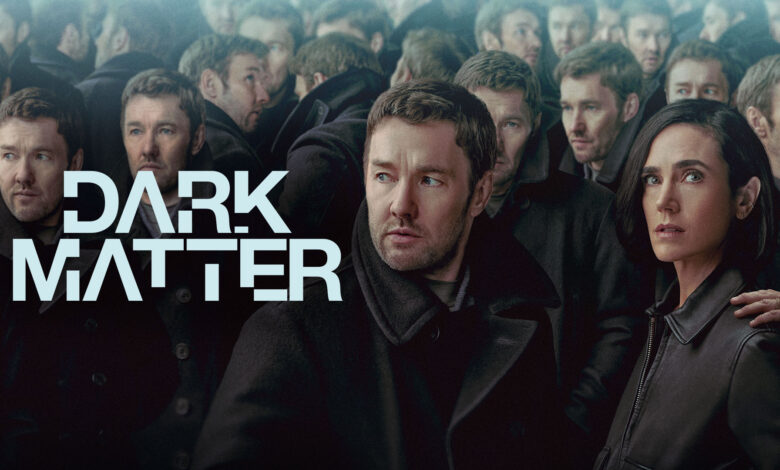
Most of us have wondered what life would look like if we had taken the other job, stayed with the other person, or been just a little braver. Dark Matter turns that familiar daydream into a distinctly unfriendly travel itinerary. When Chicago physics professor Jason Dessen is abducted and wakes up in an alternate version of his life, getting home becomes considerably more complicated than booking a flight.
Adapted by Blake Crouch from his own novel, this is a science-fiction thriller with a family drama beating underneath it. The appeal is not simply discovering what exists in another universe; it is asking whether a supposedly better life would actually belong to you. Joel Edgerton, Jennifer Connelly and Alice Braga anchor a story where ambition, intimacy and regret matter as much as the extraordinary technology.
Expect unsettling possibilities, difficult choices and plenty to discuss afterwards. The multiverse might be infinite, but a quiet evening at home suddenly looks priceless.
🎬 Transmission Details
- Show title: Dark Matter
- Years: 2024–present
- Created by: Blake Crouch
- Network (US): Apple TV (originally Apple TV+)
- Network (UK): Apple TV (originally Apple TV+)
- Seasons: 2 — season two currently airing
- Episodes: 9 in season one; 10 in season two, releasing weekly
- Starring: Joel Edgerton, Jennifer Connelly, Alice Braga, Jimmi Simpson, Dayo Okeniyi, Oakes Fegley, Amanda Brugel
Season one premiered on 8 May 2024. Season two began on 28 August 2026, with new episodes arriving on Fridays until the scheduled finale on 30 October. As of 1 September 2026, ten episodes have been released altogether: the complete first season and the second-season premiere.
This guide covers the Apple series, not the unrelated Dark Matter that began in 2015. Same title, different corner of the sci-fi universe.
🎯 Signal Strength
- IMDb: 7.6/10
- Rotten Tomatoes: 81% critics / 80% audience — season one
- Skully’s take: A midlife crisis with access to parallel universes. Suddenly buying a motorbike seems like the responsible option.
Ratings checked on 1 September 2026 and subject to change. The Rotten Tomatoes figures refer specifically to the completed first season. IMDb; Rotten Tomatoes.
The strongest reason to try Dark Matter is its combination of an immediately understandable emotional goal and a genuinely awkward philosophical problem. Getting back to your family sounds simple. Deciding what makes a life yours is much harder.
The reservation is pace: even Rotten Tomatoes’ critical consensus flags how thinly the premise can sometimes be stretched. If you want relentless action or a tightly explained scientific system, adjust expectations. This is a better fit for viewers who enjoy suspense, relationship tension and questions that remain interesting after the immediate danger has passed.
📼 Spoiler Mode: Story Sync for Pub Chat
Major spoilers for the complete first season follow. The final paragraph covers only the officially announced setup for season two, not its unreleased developments.
Chicago teacher Jason Dessen lives with his wife, Daniela, and their teenage son, Charlie. After a masked stranger abducts him, he awakens at Velocity Labs. The people there welcome him as a returning scientist. He has absolutely no idea what they are celebrating.
The explanation is another Jason. This counterpart, usually called Jason2, pursued the scientific career that the family man left behind. He created a device capable of travelling between alternate realities, then found himself coveting the marriage and child he never had. Rather than accepting that loss, he kidnapped his counterpart and took his place. The central crime is not simply identity theft: it is treating somebody else’s relationships as the missing components of your own ideal life.
With help from Amanda Lucas, a psychiatrist connected to Jason2 and his research, the displaced Jason escapes into the Box. Inside, they encounter a corridor lined with doors to alternate worlds.
Their travels include ruined and frozen versions of Chicago. The doors respond to the travellers’ mental state, so fear can influence where they arrive. Finding home demands more than recognising a skyline. Meanwhile, Daniela notices that the man sharing her life behaves differently, although she does not yet understand why.
The threat comes from the gap between looking like somebody and knowing the everyday details that make a relationship work. An impostor can imitate a routine. Knowing why that routine matters is a different challenge.
Eventually, Amanda chooses to remain in a more hopeful version of Chicago. Jason refuses to abandon his search, and they part. It is an important distinction: helping somebody you care about does not mean surrendering every possibility of your own future. Amanda is not merely a companion waiting to be returned to the shelf when the hero has finished with her. Her decision gives the journey an emotional cost beyond the dangers behind each door.
Jason’s eventual return brings a nastier complication than the original impostor. Other versions of the displaced Jason have also found their way back. These are branches produced during his ordeal, carrying the same earlier family memories and the same longing to return. From their own perspectives, they are not intruders trying to steal a stranger’s happiness. They are husbands and fathers who have survived a nightmare to get home.
That makes the final conflict more troubling than a straightforward battle between the real man and a fake. Shared memories do not settle who gets a future with Daniela and Charlie. Daniela makes her choice, while some Jasons resort to violence. Jason2 ultimately helps the family escape and provides the means to leave their world. At the Box, the gathered Jasons allow them through, and Charlie opens the door towards their next life.
The ending can be read as a rejection of ownership. Loving somebody does not entitle you to decide their life for them, however devastating your own loss might be. It also changes the meaning of the journey: home is no longer simply the original address. It is something the family will have to choose and build together.
Season two takes that fragile new beginning further. Apple’s official setup finds the Dessens trying to settle somewhere safe before being forced to flee again. Jason’s fixation on the Box, Daniela’s growing fear and Charlie’s need for stability strain the family. Elsewhere, Amanda and Ryan join forces to find home, while Leighton pursues his idea of a perfect world and Blair tries to stop him. Where those threads ultimately lead remains outside this guide’s spoiler coverage.
🧠 Vibe Check
🚪 Parallel-world suspense with a personal destination: the question is not just what lies through the next door, but whether anybody should open it.
💔 Marriage, parenthood and the lives we imagine we missed — familiar anxieties pushed into deeply unfamiliar territory.
🧩 Identity puzzles that invite conversation without requiring you to keep a family tree beside the sofa.
🌃 Urban unease rather than space-opera spectacle: recognisable places become unsettling when their familiar details no longer guarantee safety.
Perfect if you like: Counterpart for its unsettling doubles, Fringe for its collision of strange science and personal stakes, or Severance for the discomfort of a familiar identity becoming unreliable. Think shared interests rather than identical storytelling styles.
This is also an approachable choice for someone who normally prefers thrillers to science fiction. The essential motivation needs no glossary. You can follow the emotional argument even when the machinery becomes strange, and disagree about the characters’ choices without first agreeing on a theory of the universe.
🚀 Why It’s a Sci-Fi Icon
Dark Matter is still building its reputation, so “icon” is an ambition rather than a settled historical verdict. Its place on the sci-fi watchlist rests on how it uses a huge idea to put recognisably human choices under pressure.
🪞 It makes an everyday question dangerous. Wondering about the life you did not choose is harmless enough until another possibility becomes available. The premise lets the series examine envy without disguising it as a grand plan to save civilisation. Wanting more can be understandable and still lead to terrible behaviour.
🏠 It gives ordinary life real dramatic value. Dinner, trust, shared history and the routine of raising a child can look unremarkable beside a scientific breakthrough. Here, those things are worth building an entire thriller around. The emotional scale does not shrink just because the stakes belong to one household.
⚖️ It separates love from entitlement. A useful question to carry through the series is whether a character wants somebody else to be happy, or wants to be the person who provides that happiness. Those desires can look similar until they conflict. Science fiction gives the difference unusually sharp consequences.
🎭 It uses alternate lives as a character test. The interesting question is not simply whether another version would be richer, kinder or more successful. It is what pressures might make those differences possible. That offers a richer discussion than deciding that one career, marriage or personality represents the single correct outcome.
📚 It adapts rather than merely illustrates. Crouch has explained that television allowed the story to explore perspectives beyond the novel’s central viewpoint, particularly Daniela and Amanda. That matters because a family-rescue story becomes more convincing when the people around its protagonist have lives that do not pause when he leaves the room.
💬 It leaves room for disagreement. You do not have to admire every decision, accept every mechanism or agree with another viewer’s favourite character to find the premise rewarding. The best conversation starts where the thriller ends: which compromises are survivable, what makes a person trustworthy, and when does pursuing happiness become refusing reality?
🔦 Deep Dive Highlights
🚪 The Box: A wonderfully blunt object for such an enormous possibility. Its appeal as a science-fiction device is the contrast between a contained physical space and an apparently limitless set of destinations. As you watch, pay attention to what the characters expect technology to solve. A new route out of a situation does not automatically provide the judgement needed to choose a worthwhile destination.
🧑🔬 Jason Dessen: Joel Edgerton’s physicist sits at the junction of professional ambition and family commitment. Rather than treating his career choices as a simple warning about having the wrong priorities, the premise invites a harder question: can anybody know what a different life would have cost them? Watch for the difference between appreciating what he has and needing certainty that he made the best possible choice.
🎨 Daniela Dessen: Jennifer Connelly’s character gives the story an essential perspective beyond the person driving its central mystery. Daniela is not simply a destination on somebody else’s map. Consider what the uncertainty means from her side: how do you judge a relationship when familiarity is no longer enough? Her perspective makes trust something that has to be earned through behaviour, rather than granted by a recognisable face.
🧠 Amanda Lucas: Alice Braga’s psychiatrist brings questions about perception, emotional responsibility and personal boundaries into the foreground. Scientific knowledge might explain what a machine is intended to do; understanding another person is a different kind of expertise. Amanda is particularly interesting if you follow how helping someone can gradually become an obligation, and where compassion should leave room for a life of your own.
🧪 Ryan Holder: Jimmi Simpson’s scientist is a useful focus for the series’ interest in achievement and comparison. Success looks different depending on who is watching, and a friend’s accomplishment can become an uncomfortable measure of your own choices. Ryan’s place in this world invites you to separate scientific talent from wisdom: being able to recognise a remarkable discovery is not the same as understanding everything it might unleash.
💼 Leighton Vance: Dayo Okeniyi’s character brings the ambitions surrounding Velocity Labs into view. Follow who controls access, who expects results and who bears the risk when a breakthrough becomes more than an experiment. The wider question is especially fertile for science fiction: if extraordinary technology becomes possible, does that give anybody the right to decide how everyone else should live with its consequences?
The Box is a fictional storytelling device, not a demonstrated technology or a practical explanation of quantum physics. The more useful viewing question is what access to other possibilities does to these people. Dark Matter turns the fantasy of having another chance into a challenge: would you use it to understand your life, or to avoid accepting it?
Recommended Sci-Fi TV Products
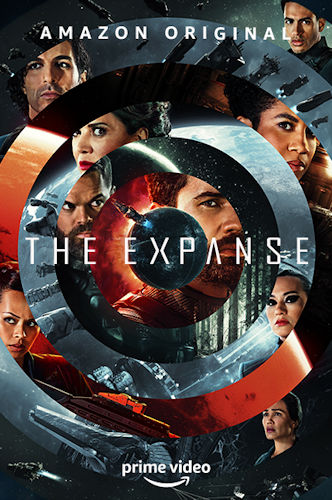
Watch The Expanse on Prime Video
Amidst political tension between Earth, Mars and the Belt, the single greatest conspiracy of all time must be unravelled.
Watch Now!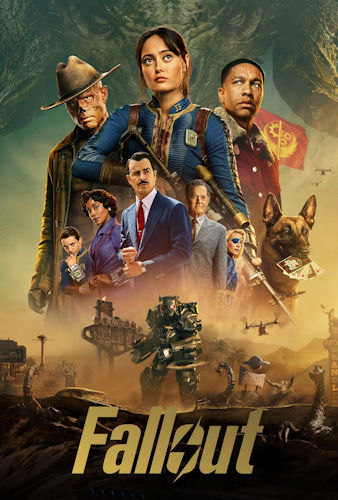
Watch Fallout on Prime Video
Based on one of the greatest video games of all time, Fallout is the story of haves and have-nots in a world in which there’s almost nothing left to have.
Watch Now!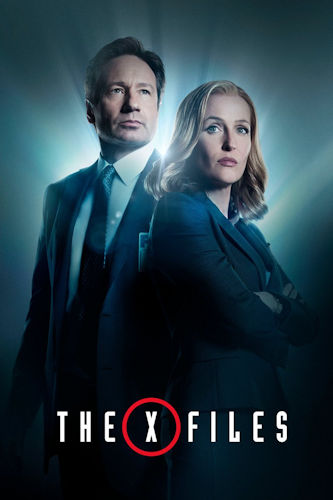
Watch The X-Files on Prime Video
A young FBI agent is assigned watchdog duty over a fellow agent, but finds herself drawn into his investigations of paranormal and unexplained phenomena.
Watch Now!As an Amazon Associate I earn from qualifying purchases.